
Words for the Road Ahead
This week we begin the fifth and final book of the Torah, starting with Parshat Devarim.
Moshe begins his repetition of the Torah to the Jewish people, reviewing the events that occurred and the laws that were given over their forty-year journey. In preparation for his passing, he rebukes them for their wrongdoings and encourages them for what is to come when they cross into Israel.
He reminds them of the importance of listening to the other leaders whom he had appointed, especially to Yehoshua who will now succeed him. He speaks of how Hashem will fight their wars if they remain on the proper path and do as He has commanded them.
A Day to Remember and Rebuild
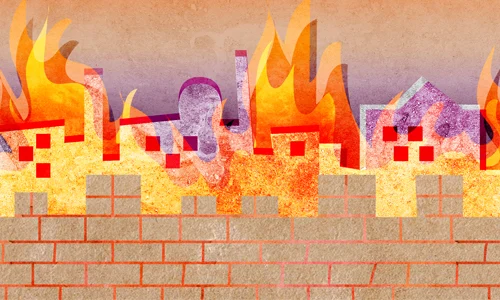
Tisha B’Av, the 9th day of the month of Av (July 22-23, 2026), is the saddest day on the Jewish calendar, on which we fast, deprive ourselves and pray. It is the day on which both Batei Hamikdash were destroyed. To mourn, we do not eat or drink on this day, nor bathe or apply ointments. We also do not wear leather shoes or sit on high chairs or couches. Instead, we spend this day praying for what we lost and focusing on what we can do to bring the future and final Redemption.

When Correction Builds
Before Moshe passed away, he gathered the Jewish people to rebuke them. This sounds extremely questionable. This was Moshe’s parting message? A rebuke? Why didn’t he end with words of love and encouragement?
The answer lies in the type of rebuke we speak of. Moshe spoke words of only constructive criticism. He brought up mistakes of the past to allow for growth and improvement in the future.
This teaches us a valuable lesson about rebuke in general. When we find ourselves needing to correct another for their behaviour, we must do it with love and positivity. This allows for change and improvement.

Turning Mourning Into Action
On Tisha B’av, while we mourn the awful destruction of both Beit Hamikdash and the manslaughter that came along with it, this is not the focus of the day.
As Jews we know that sadness alone is not productive and does not amount to good.
Instead, we look forward and increase in our good days and think of ways to bring the final redemption speedily in our days.
A Joy Worth the Journey
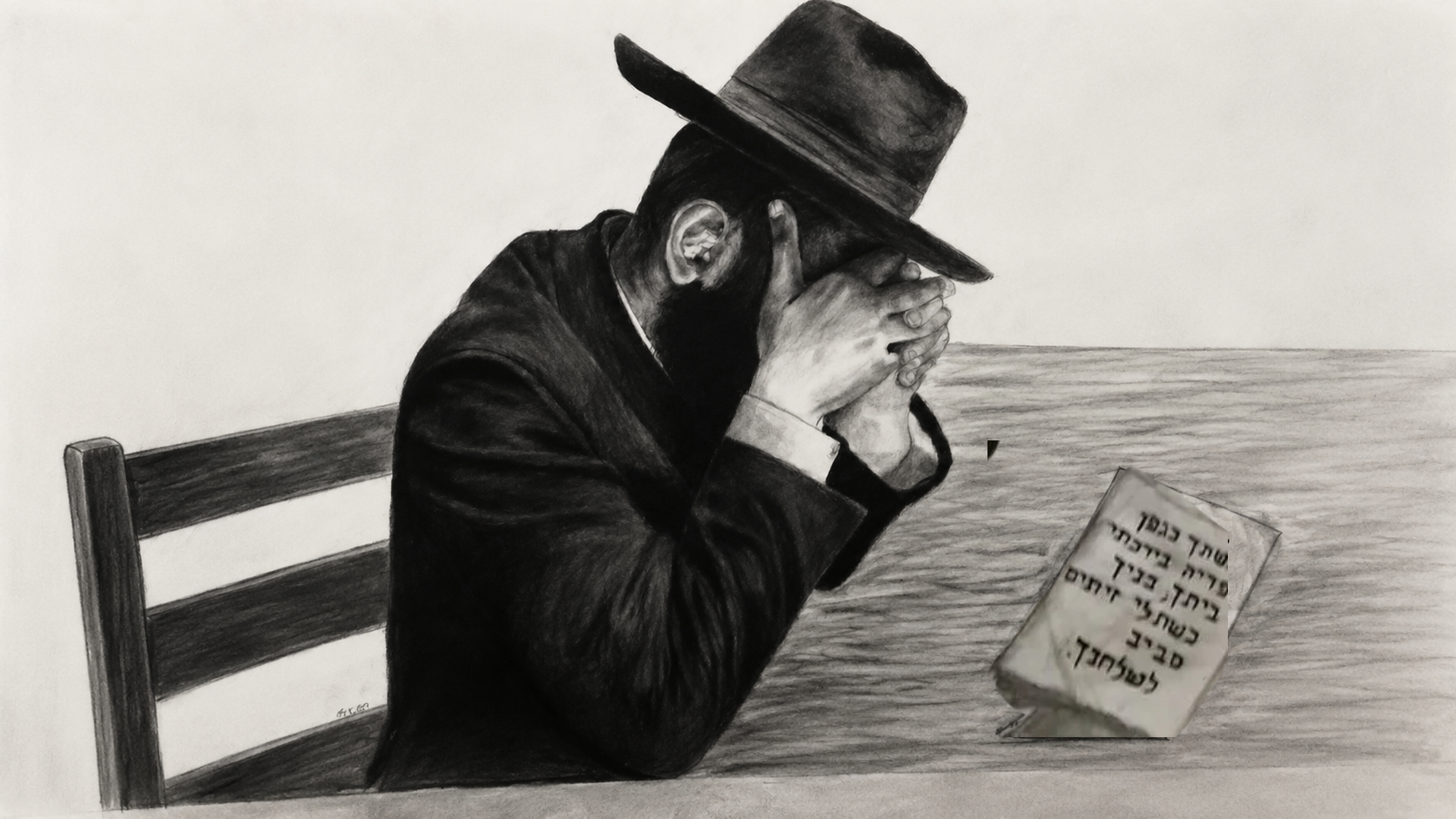
To Reb Berel of Beshenkovich, nothing was more precious than the opportunity to hear the profoundly spiritual and inspiring teachings of his Rebbe, the Rebbe Rashab (Rabbi Shalom DovBer of Lubavitch), firsthand.
On one occasion, Reb Berel set out on foot to Lubavitch. The journey was long and his feet ached, but knowing he would soon hear the sweet words of Chassidus made every step worthwhile. When he finally arrived, however, Reb Berel discovered that the Rebbe was absent, on leave to the quiet, lush countryside. A kind stranger gave him directions, and he took off again immediately, without even taking a short break to catch his breath, so much did he yearn to hear Chassidus.
But again, he was met with disappointment. The Rebbe had no plans to say Chassidus, he was told.
Heartbroken and spent from his efforts, Reb Berel slumped to the ground in abject misery.
A simple Jew, pious but unlearned, lived nearby. Every day he would furnish the Rebbe’s table with milk, cheeses, and butter from his dairy farm. He also took responsibility for ensuring the Rebbe would have a minyan (quorum) of men with whom to pray, frequently running to surrounding villages to find enough willing Jews to participate.
This simple Jew had become like a member of the Rebbe’s household—free to come and go as he pleased. When he saw Reb Berel’s deflated figure in the street, he thought that the stranger was in dire need. Perhaps he lacked a good meal or a bed, or maybe even some money. He rushed to help.
“Thank G‑d, there is nothing I need from you,” Reb Berel sighed. “I just wanted to hear some Chassidus and I’ve come a long way to do so. But it seems like it’s not going to happen…”
Without thinking, the dairy farmer ran straight into the Rebbe’s house.
“Rebbe!” he cried with alarm. “There’s someone who came all the way here just to hear you teach Chassidus and he’s miserable. Miserable! Whenever I see someone in pain, I give him eggs, maybe some butter, or milk. You, Rebbe, can help this Jew by saying Chassidus.”
Barely an hour later the Rebbe announced that he would give a Chassidic discourse in his room.
Reb Berel sat, enraptured, listening to every word with delight. He left the Rebbe’s room, face aglow, warm with the knowledge that he had at last fulfilled the purpose of his journey.
Noticing this sincere display of joy, the dairy farmer entered the Rebbe’s room again. In a breathless, excited tone, he described what he had seen and requested a blessing: In Gan Eden, in the World to Come, he wanted to experience that same delight Reb Berel had felt after hearing the Rebbe speak.
“Every time you recite Tehillim (Psalms) from cover to cover, you merit a special reward,” promised the Rebbe. “In addition, you will merit to understand the Tehillim on a deeper level in the World to Come.”
Reassured, as soon as he exited the Rebbe’s room the dairy farmer grabbed the nearest Tehillim and began to recite it with newfound fervor, confident that he would one day experience the great joy he had seen on Reb Berel’s face that day.