
Voir le bien devant nous
Moshe envoie douze espions au pays de Canaan. Quarante jours plus tard, ils reviennent, portant une énorme grappe de raisin, une grenade et une figue, et décrivent une terre fertile et abondante. Mais dix d'entre eux avertissent que les habitants sont des géants trop puissants pour être vaincus. Seuls Caleb et Josué insistent sur le fait que la terre peut être conquise.
Le peuple pleure et souhaite retourner en Égypte. L'Éternel décrète que l'entrée en Terre promise sera retardée de quarante ans, période durant laquelle toute cette génération mourra dans le désert.
Certaines lois concernant l'alimentation en Israël sont données. Un homme ne respecte pas le Shabbat en ramassant du bois et est mis à mort. Le commandement pour les hommes de porter les tzitzit est donné.
Un héritage toujours vivant
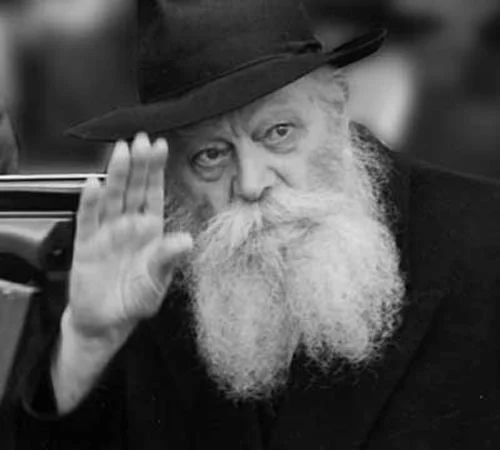
On Tuesday, we begin the new month of Tammuz. The third of Tammuz (this year on Thursday), is the Lubavitcher Rebbes day of passing. As his followers, however, we know that he is alive today more than ever before as his impact is felt throughout the world and we are the ones to carry his legacy. As the Rebbe himself said about his own father-in-law, “his descendants are alive, therefore he too is alive.” It is our responsibility to ensure that the Rebbe’s effect is still felt in every corner of the world and in our daily lives.

Élever le matériel
One reason the spies were so scared to enter Israel was because they were unused to the way of life demanded of them there. In the desert, they were completely taken care of. They had food from heaven and were able to dedicate their lives learning to Torah. In Israel, however, they would have to work the land to make money and have food. They would have less time to serve Hashem. Their mistake was forgetting that the purpose of our existence is to work with physicality to elevate it, not to ignore it but rather to use it for the good.
De la lumière partout
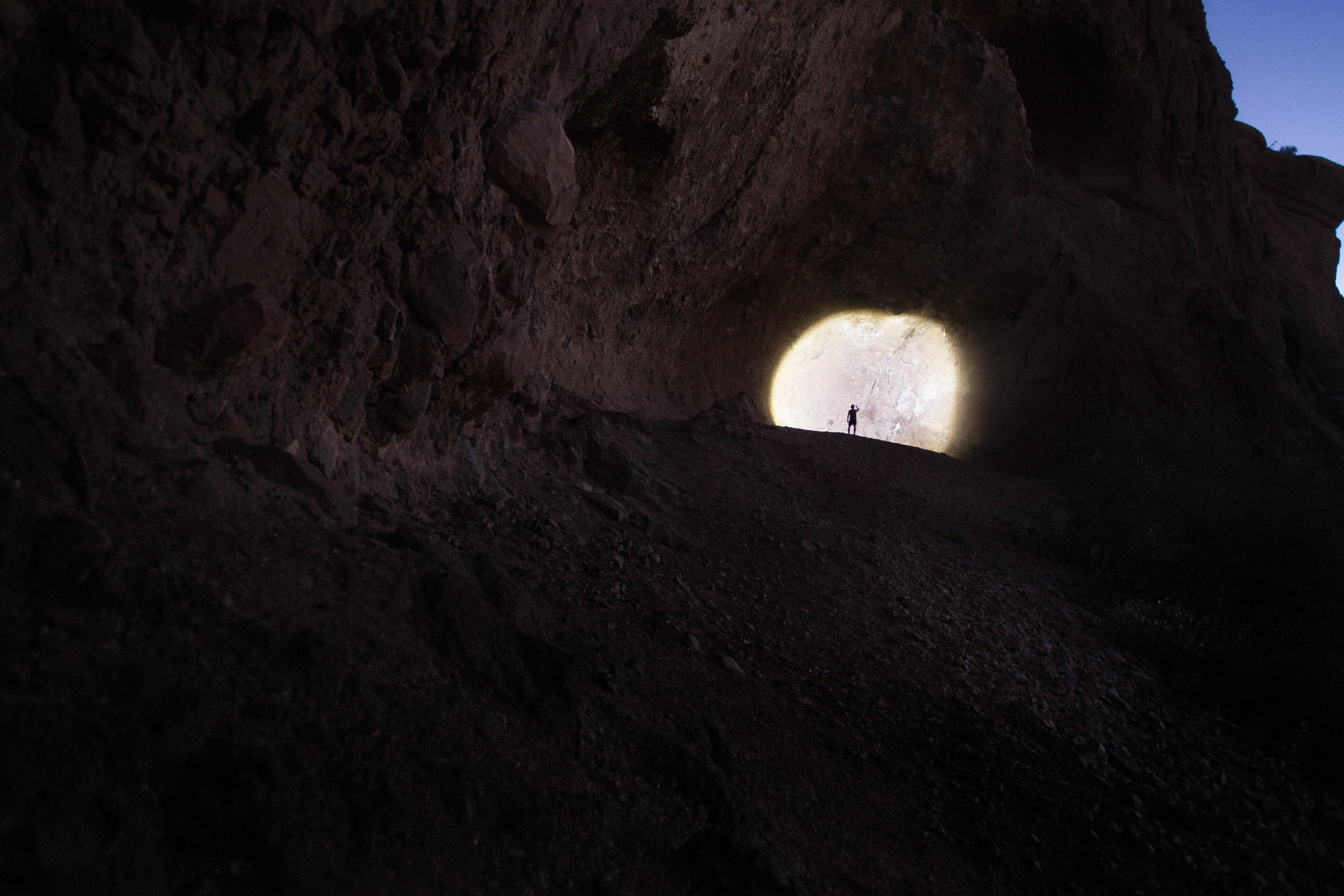
The very fact that the Sanctuary was built in the barren desert is to teach us that our work in bringing Moshiach is specifically through revealing Hashem in the lowliest of places.

Le Shabbat apporte la bénédiction
Once upon a time, there was a poor man named Yosef. Yosef was known as Yosef Mokir Shabbat, which means "Yosef who treasures Shabbat," because whatever he had and whatever he earned, however little, he would spend on something special for Shabbat.
He lived near a rich man who was not Jewish. One day, the rich man was told by some astrologers—people who look at the stars and say what they think will happen in the future—that everything he had would go to Yosef Mokir Shabbat. The rich man believed them and sold all his property. With the money he received, he bought a pearl which he placed in a beautiful hat.
“Hah,” he said to himself. “I will keep this hat on my head all the time, and there is no way my great wealth will ever go to that poor neighbor of mine, Yosef.”
It happened once that the rich man was crossing a river in a ferry, and a great wind came and blew his hat right into the water. A giant fish came by and swallowed it. Some fishermen caught the gigantic fish and brought it to shore just before Shabbat was about to start. The fishermen asked: “Who would buy such a big fish so late in the day?” “Go bring it to Yosef,” the townspeople said to the fishermen. “He always buys the best food and drink to honor Shabbat.” They brought it to him and he purchased it.
Eager to cook the fish for Shabbat, Yosef slit it open and found the giant pearl inside. That Shabbat, there was much singing and joy in Yosef’s home as they all saw how G‑d rewarded them for keeping Shabbat.