
Laws, Vows & Blessings
This week, we again read Parshat Nasso, being that last Shabbat, we read the portion special for Shavuot.
Completing the headcount of the Jewish People in the desert, Hashem communicates to Moshe the law of the sotah, the wayward wife suspected of unfaithfulness to her husband. Also given is the law of the nazir, who forswears wine, lets his or her hair grow long, and is forbidden to become contaminated through contact with a dead body. Aaron and his descendants, the kohanim, are instructed on how to bless the Jews.
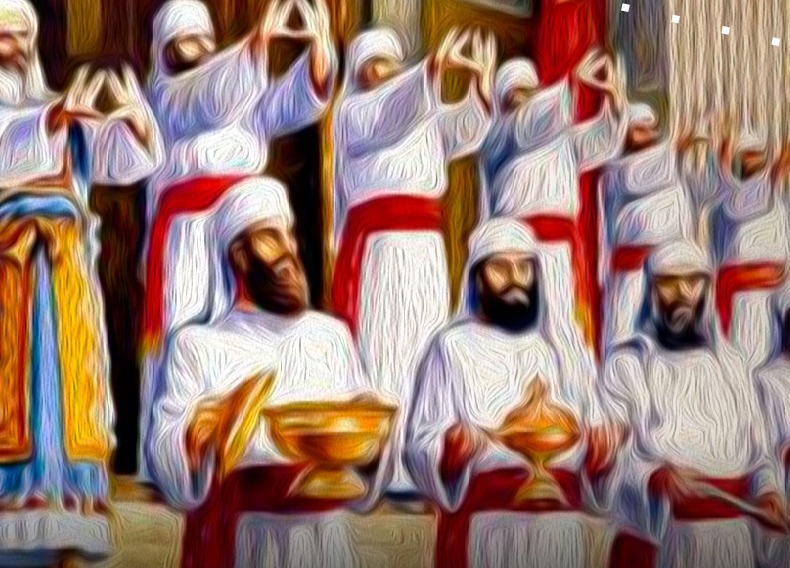
The leaders of the twelve tribes of Israel each bring their offerings for the inauguration of the altar. Although their gifts are identical, each is brought on a different day and is individually described by the Torah.
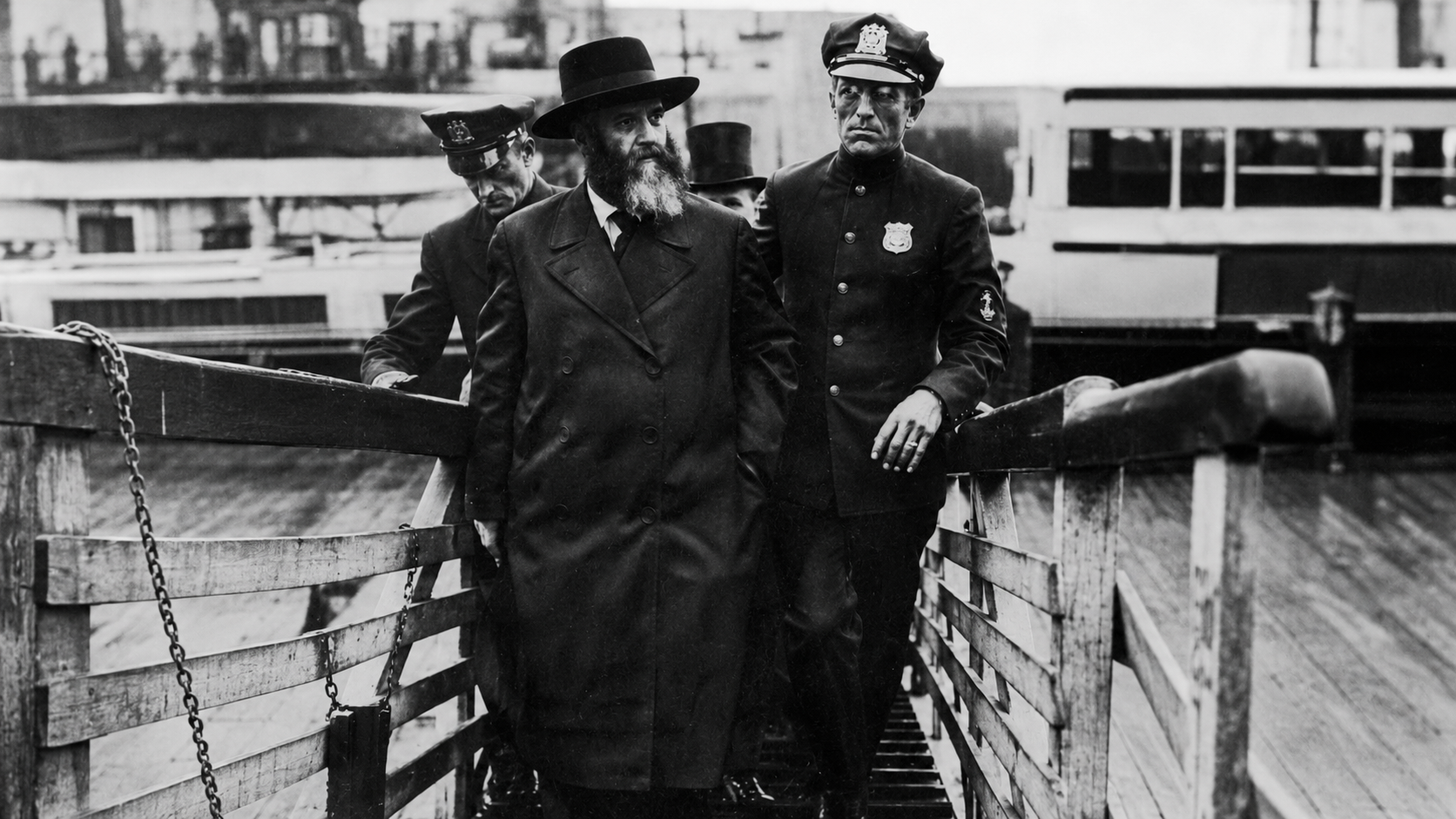
Arrested for Being Jewish
Shortly after midnight of the 15th of Sivan of 1927, the sixth Lubavitcher Rebbe, Rabbi Yosef Yitzchak Schneersohn (1880-1950), was arrested by agents of the GPU (Soviet Secret Police) and Yevsketzia ("Jewish section" of the Communist Party) for leading the underground network of rabbis, teachers and emissaries working to preserve and disseminate Jewish learning and observance throughout the Soviet Empire. The Frierdiker Rebbe, as he was known, was a true symbol of Self Sacrifice, teaching us all the extent to which we must serve Hashem.
Identical Gifts, Unique Souls
The Torah is careful with every single word and even letter, never adding or subtracting even one extra. Why then does it mention each of the gifts of the 12 tribal leaders separately if they were all identical? The answer is that the gifts were much deeper than how they presented themselves on the outside. Each leader had his own intent when bringing their sacrifice. This is why the Torah mentioned each of them on their own. While we are all part of the larger Jewish People, we each also have our own specific task and mission in this world that only we can achieve.

The Spark Within
When Moshiach comes the entire world will be aware of the G-dliness that gives it life. This is not only talking about the world at large, but rather each individual person. The beauty of Geulah is that each creature will realise that they have a divine spark inside of them and have their unique purpose for being here.
A Blessing Just for You
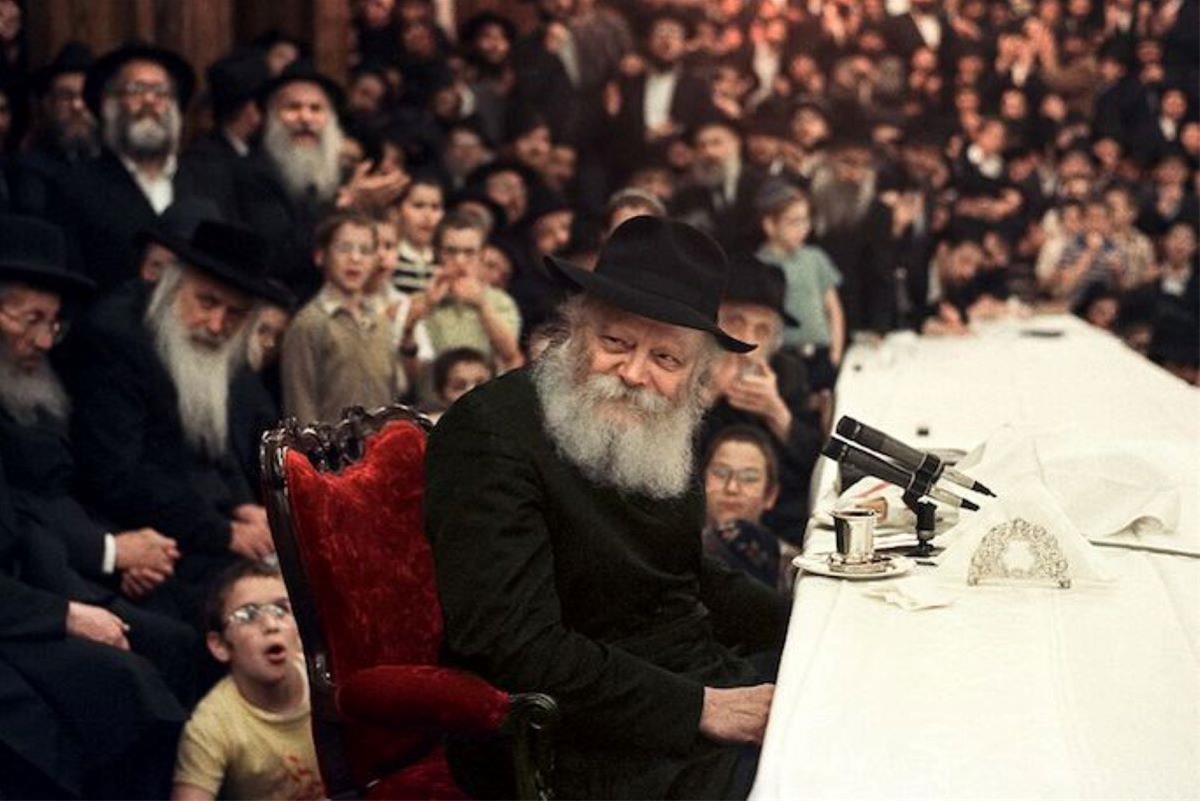
It was Rosh Hashana eve, and hundreds of Jews stood in line to give letters of requests for blessings to the Rebbe. As the line progressed, a yeshiva student turned to a shliach near him asking about the blessing “may you be written and inscribed for a good year” that the Rebbe was then conveying to each person:
“How can this ‘standard’ blessing be intended specifically for me?” he asked.
The shliach gently explained, “An average person is indeed incapable of bestowing a communal blessing individually. But the Rebbe is different. He is your Rebbe,” the shliach said with assurance. “Although you are one of thousands of black hats standing in line, he knows you personally and showers his blessings upon you. This is the Rebbe’s greatness.”
When his turn arrived, the student handed his letter to the Rebbe, received the standard blessing, and turned to leave. But the Rebbe summoned him back. The Rebbe turned to the boy, stared deeply and knowingly into his eyes, and repeated, “May you be written and inscribed for a good year!”