Living with Higher Standards
This week we read Parshat Emor which provides the laws regarding the Kohanim. They aren’t allowed to become impure from a dead body or marry a divorcee. A kohen who has a physical deformity cannot serve in the Temple and an animal with one cannot be offered as a sacrifice.
The second part of Emor lists the festivals of the Jewish calendar: the weekly Shabbat, Pesach, counting the Omer, Rosh Hashana, Shavuot Yom Kippur and Sukkot. Next the Torah discusses the lighting of the menorah in the Temple, and the showbread; placed weekly on the table there.
Emor concludes with the incident of a man executed for blasphemy, and the penalties for murder and for injuring one’s fellow or destroying his property.

Lag BaOmer: A Day of Light
Lag BaOmer, the 33rd day of the Omer count, this year on Tuesday, is a festive day on the Jewish calendar that honors Rabbi Shimon bar Yochai, author of the Zohar. It is celebrated with outings (on which children traditionally play with bows and arrows), bonfires, parades and other joyous events. Many visit the resting place (in Meron, northern Israel) of Rabbi Shimon, the anniversary of whose passing is on this day.
Representing Hashem Everywhere
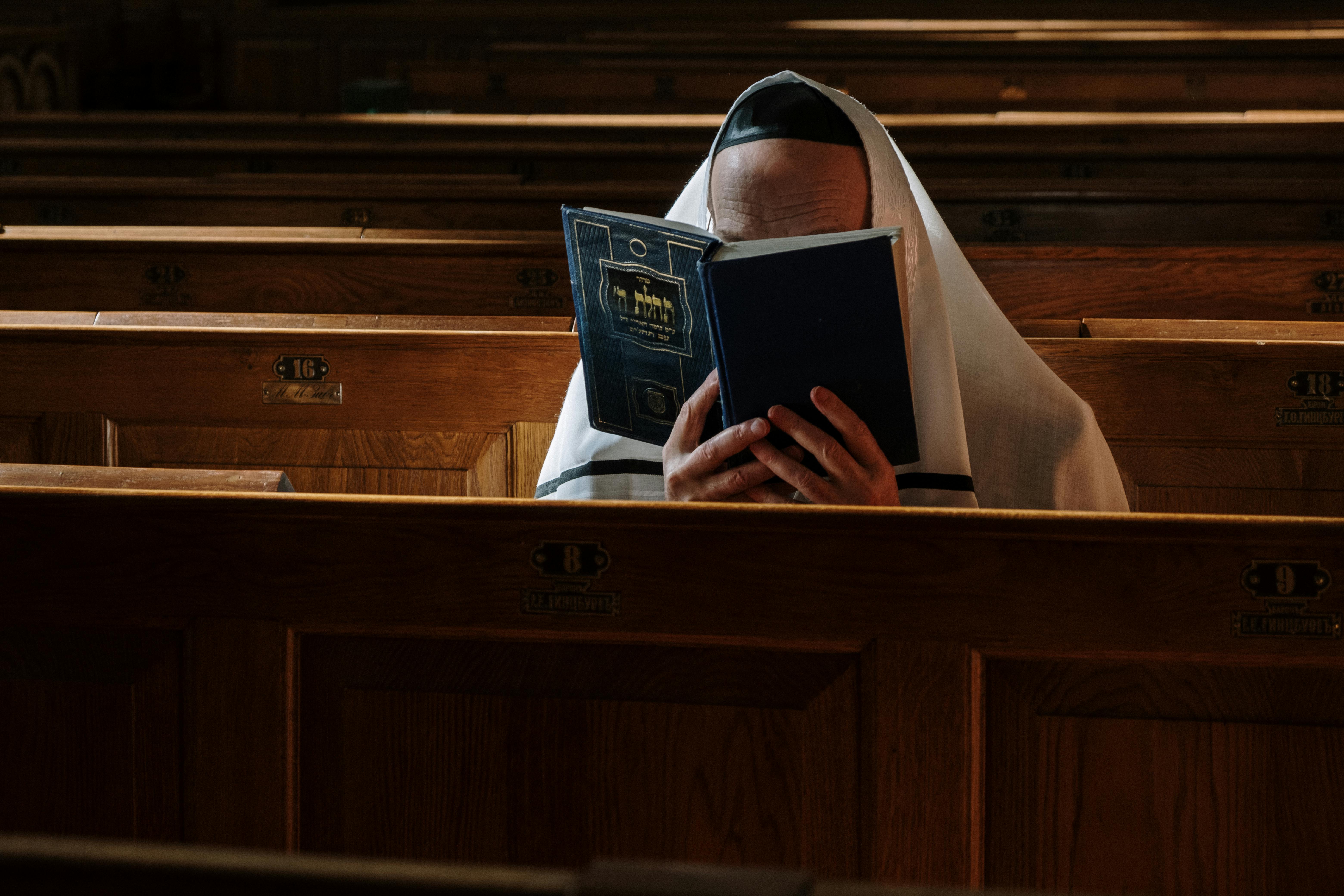
This week's Parsha speaks about blasphemy, disgracing G-d's Holy Name. This applies to physically destroying a synagogue, a holy building and also to the way we act. Wherever we go, we represent Hashem and Judaism and we must ensure that when others see us, they see something positive. Doing this brings Hashem the greatest joy.
Refining for Redemption
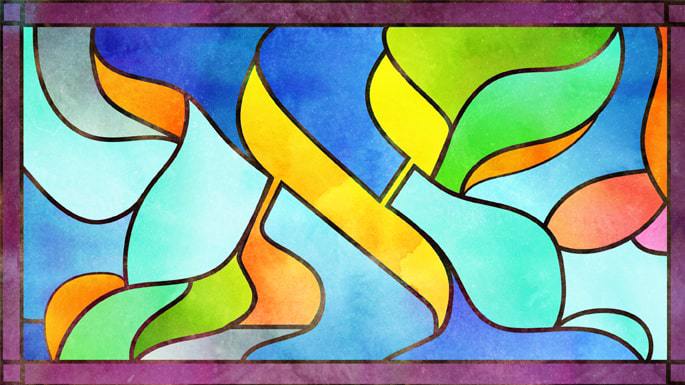
During Sefirat HaOmer, we work in refining and elevating our character traits. Through this work, we draw down the Hebrew letter Alef in the word Geulah, Redemption, into the world. Then we will once again have the service in the Beit Hamikdash as we ask God every day when counting the Omer.
Kindness Beyond Heaven
It was the night of Yom Kippur, the holiest time of the year.
As all the Jews were gathering in shul anxiously awaiting their rebbe’s arrival to begin the prayer services, Rabbi Shneur Zalman, also known as the Alter Rebbe, mysteriously left the small European village.
Some of his devoted and admiring chassidim speculated that their beloved leader went to heaven, connecting to G‑d and His angels in the heavenly spheres in preparation for this holy time.
Where was their beloved leader?
As the Rebbe’s chassidim waited worriedly for him to arrive, he was climbing deep into the woods, with a sack on his back, to chop down wood.
They later learned that he then proceeded to bring the firewood and the sack into the lonely little house of an impoverished widow who had just given birth and her five small children. Saving a life is so important, that chopping wood and creating fire—normally forbidden on the holy day—are permitted.
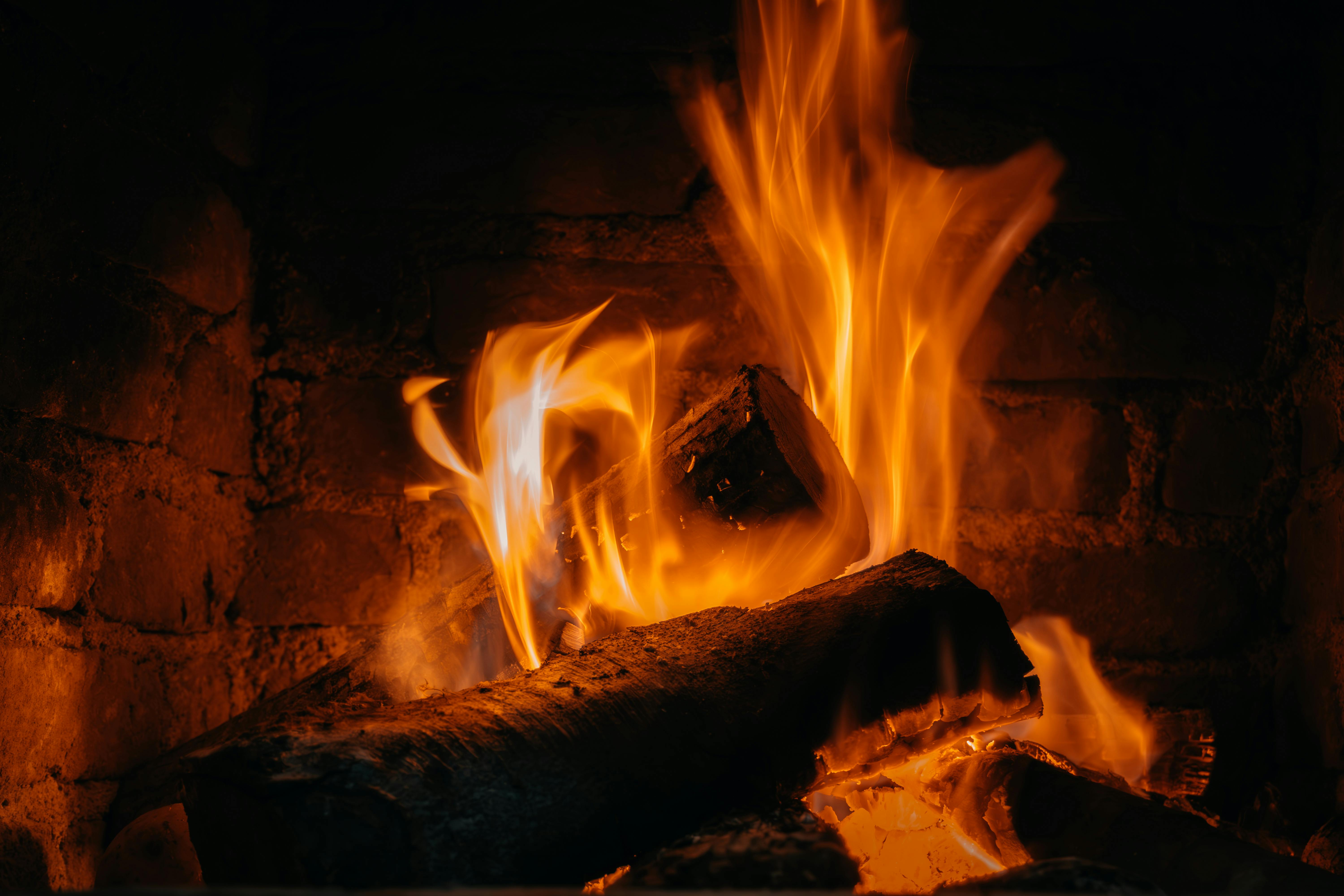
No task was beneath this great Torah scholar as he created a blazing fire in the fireplace, unpacked the food and clothes from the sack, lovingly fed the children and left the woman with many kind and caring words.
Perhaps we could say that the Alter Rebbe went to a place even higher than heaven.
What is true goodness? What is true giving?
True goodness and giving often involves nurturing and caring in little ways that go unseen
Judaism gently teaches us through the stories of the scroll that true goodness is not carried out in a blaze of glory.
True goodness and giving often involves nurturing and caring in little ways that go unseen.
Often when it’s hard.
Often when it hurts.
Often when it’s not really “my job.”
Impacting this world is not reserved for the knight in shining armor, for the airbrushed faces of Hollywood.
It is the responsibility and right of every one of us—with all of our talents and strengths, and yes, with all of our weaknesses.
We, and our loved ones, are immortalized long after we are gone, through the kind acts on this earth—the comforting whisper to a frightened child, the mending of a broken heart, the giving of charity when we need to dig deep, the patience and forbearance to a cantankerous relative, the nourishing home-cooked meal delivered with love . . .
It is through this goodness and giving that we touch the divine, ascending higher than heaven.