Breaking and Rebuilding
This week’s Parsha is Ki Tisa. The Torah is not written in order, so this week’s Torah portion is chronologically earlier than the past weeks. This week we read about Moshe recounting the instructions from Hashem to the Jewish people.
Artisans Betzalel and Aholiav are placed in charge of the Mishkan's construction, and the people are once again commanded to keep the Shabbat.
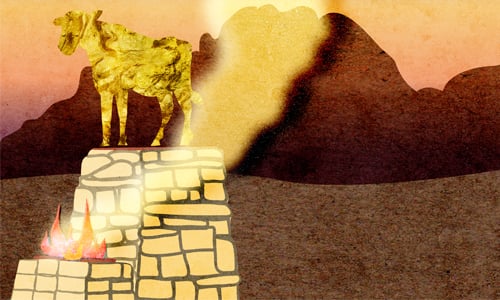
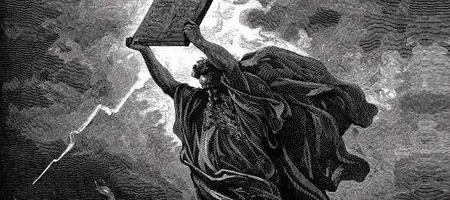
When Moshe does not return when expected from Mount Sinai, the people make a golden calf and worship it. Hashem proposes to destroy the nation, but Moshe intercedes on their behalf. He descends from the mountain carrying the tablets engraved with the Ten Commandments; seeing the people dancing about their idol, he breaks the tablets, destroys the golden calf, and has the primary culprits put to death. He then returns to Hashem to say: “If You do not forgive them, blot me out from the book that You have written.”
Hashem forgives but says that the effect of their sin will be felt for many generations.
Moshe prepares a new set of tablets and once more ascends the mountain, where Hashem reinscribes them. So radiant is Moshe’s face upon his return, that he must cover it with a veil.
Joy Stronger Than Fear
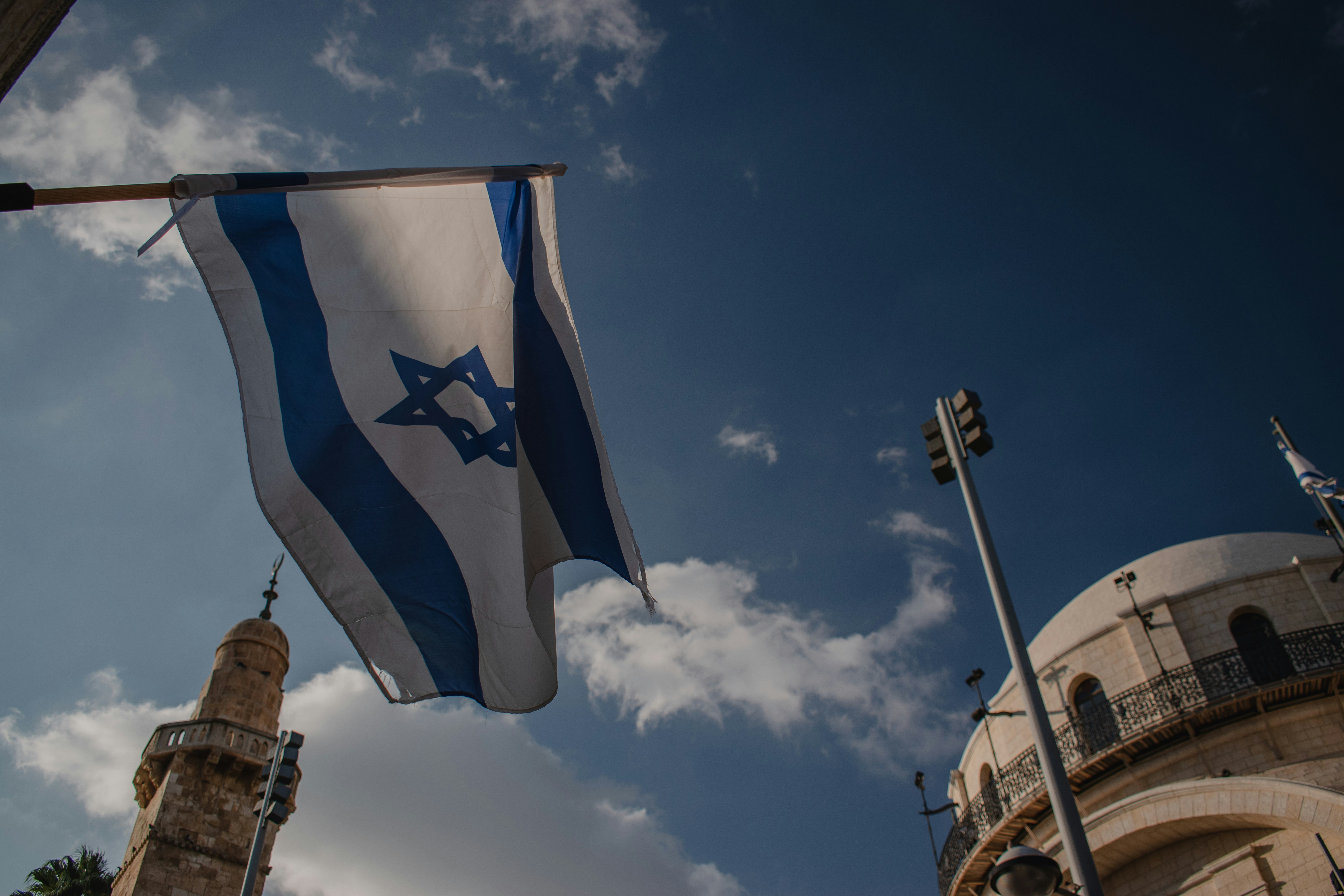
The Iron Dome interceptions overhead were loud, but even louder was the laughter of a little girl curled up in my lap as we sat in the bomb shelter at shul together on Shabbat, just days before we celebrate Purim (Monday night and Tuesday for Jews everywhere and Tuesday night and Wednesday for those in Jerusalem). She was telling me all about her Purim costume.
Yes, there is danger. But this is not a time for fear. It is a time for celebration like never before. It is a time for tapping into our personal Megillah narrative — how G‑d can do anything, and we are witnessing it. All the prophecies speak of this moment, and we get to live it.
“Do not fear, for I am with you,” says Isaiah. The prophet does not say that nothing is happening. He says: Do not fear, because I am with you. The evil may rage loudly, but louder still is the promise of G‑d.
It is a time of heartfelt thanks and dancing for all the miracles that G‑d is showing us, of prayers for continued liberation, of hope, smiles and laughter. A time to open our hearts to all the good that G‑d wants to give us. A time of visualizing a new world where goodness is the only reality.
True, we are not there yet. Sadly, there have been casualties in Tel Aviv and Bet Shemesh, and the Iranian people have a long road ahead of them. But we are on the road.
The Talmud tells us that in this month of Adar, we increase in joy, simchah in Hebrew. What is joy? Simchah, שמחה, can be said to share a root with מחה, the word for erasing or dissolving, where we lose a constrained sense of self and allow the external self, our ‘masked’ version of who we are, to be wiped away in the face of something greater, to get lost in the bigger picture.
Let us allow the joy of the miracles. Allow Hashem’s miracles for His chosen nation to overflow our system with the deepest joy. Let that joy override any personal sadness or struggles. Let the joy reach all of us and wash away the pain of exile, bringing with it a new us, a new world, a new beginning for all of humanity.
Chana Margulies
Picking Up the Pieces
This week's Parshah tells the story of the Golden Calf, the worst national sin in the history of the Jewish people. Just weeks after the greatest revelation of all time, when they saw and heard Hashem up front and personal, they go and bow down to a cow!
The very important lessons we need to draw from this embarrassing episode are, firstly, that people do sin, human beings do make mistakes, and even inspired Jews who saw the divine with their own eyes can mess up — badly. And, secondly, that even afterwards there is still hope, no matter what.
In the very same Parshah we read how G‑d tells Moshe to carve a second set of tablets, to replace the first set he smashed. The Torah does not intend to diminish our respect for that generation, but rather to help us understand human frailty, our moral weakness and the reality of relationships, spiritual or otherwise.
The Torah teaches that all is not lost. As bad as it was, it is possible for man to repair the damage. Moshe will make new tablets. They won't be quite the same, but there will be Tablets, nonetheless. We can pick up the pieces.
It is possible to pick up the pieces in life. Whether it's our relationships with G‑d, our marriage partners, our kids or our colleagues, we can make amends and repair the damage.
If the Jews could recover from the Golden Calf, our own challenges are small indeed.
Yossi Goldman
The Ark Will Return
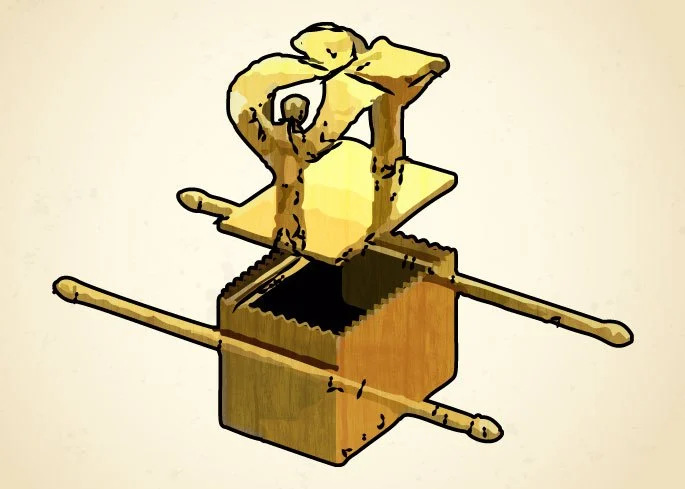
Although the Beit Hamikdash was destroyed, the Aron which held the Tablets was not. The same Aron from the Mishkan, holding the broken tablets and the whole ones remained hidden throughout the generations and will be revealed again when Moshiach comes.
Ignite a Spark
The two “chanced” to meet.
She was eighteen, returning to Upstate, NY, from a Birthright trip. The visit to our holy land had sparked her interest in Judaism.
Sitting next to her on the plane was Sara Shemtov, the Rebbe’s emissary in Riverdale, NY. Sara was also returning from Israel where she had attended the wedding celebration of a member of her community.
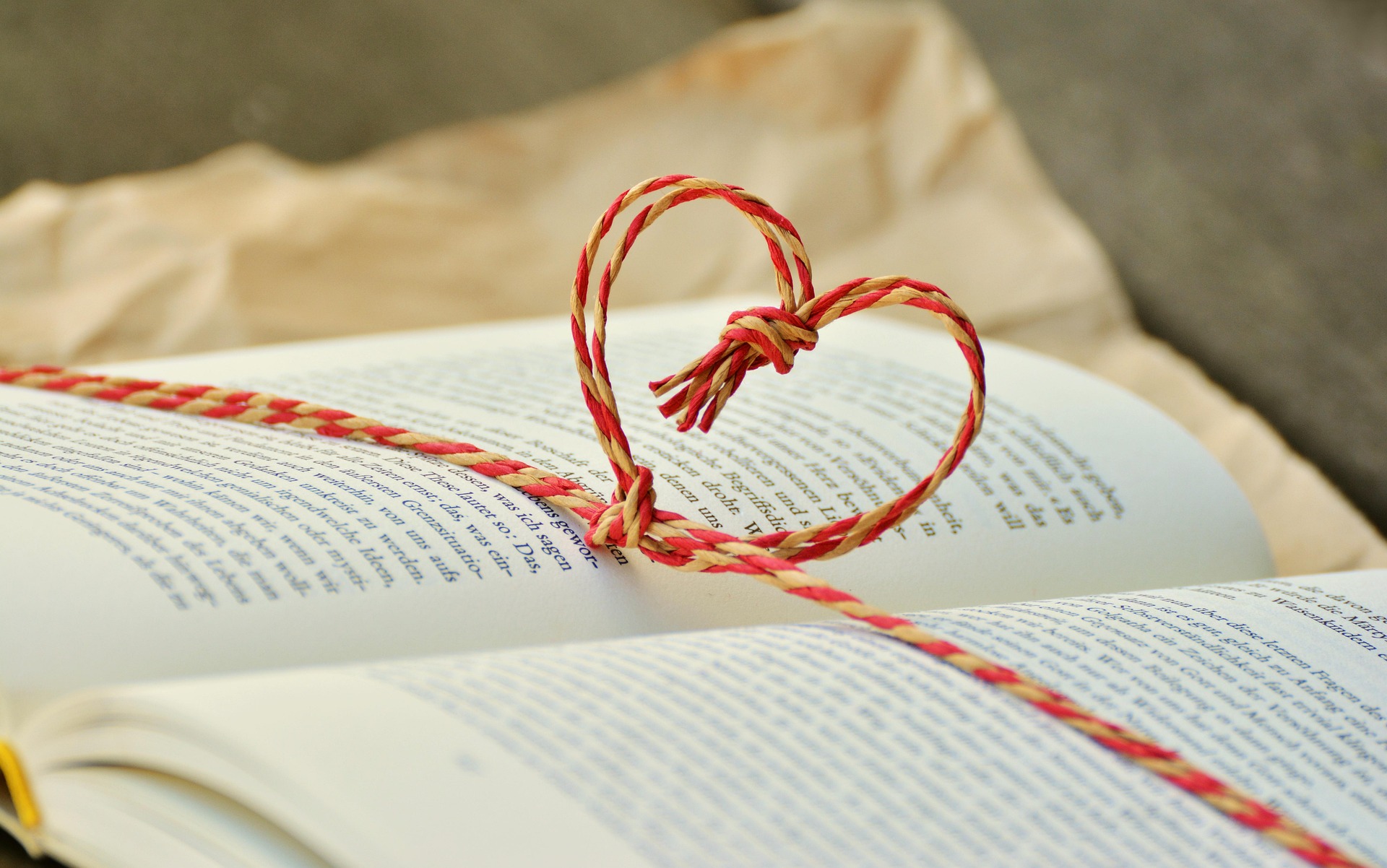
Back home, Sara would be juggling her precious role as a mother along with her many responsibilities as a Rebbetzin. But for the long duration of the flight, she thought, she would read uninterrupted. Sara had recently purchased my book, Tending the Garden, about the unique gifts of the Jewish woman and was eager to start it.
But, as the plane flew over the waters of the Atlantic, Sara found herself engrossed in deep conversation with her new companion. The book remained closed as Sara opened a heart.
If you ask Sara what she spoke about, she’ll tell you she doesn’t remember. She spoke from the heart, reaching out and penetrating the heart of another Jew.
As their twelve-hour flight was nearing its destination, with my book still closed on her lap, Sara decided it would be a meaningful parting gift. Inscribing the book, and wishing her well on her continuing journey, Sara and her companion parted ways.
Six years later.
It is Rosh Hashanah. Sara is greeting the many new and old faces in her shul. Among them is a young woman who came to visit the man she had been dating.
Something about the young woman looks very familiar to Sara, just as something about Sara looks so familiar to the newcomer. But the connection eludes them both.
Only when the guest returns home, does her memory jar. A flight. Years ago. From Israel. A book. Opening my book, her guess is confirmed as she stares down at Sara’s signature gracing the first page.
Recently, I had the privilege of speaking to Sara’s community. The program was in the beautiful home of a beloved member of her community—the very same woman for whom Sara had travelled to Israel.
And in the crowd, approaching me after my lecture was the woman who had been gifted my book on that auspicious flight more than six years ago. She and her husband now live in Riverdale, NY.
Our paths are guided from Above. Yet in each of our encounters, we are given the opportunity to help ignite a spark of another soul.