Lighting, Leading, and Waiting
This week we read Parshat Behaalotecha. Aaron is commanded to light the Menorah, and the Levites begin their service.
A “Second Passover” is instituted in response to the petition by a group of Jews who were unable to bring the Passover-offering in its appointed time because of impurity. The people journey in from Mount Sinai, where they had been camped for nearly a year.
The people are dissatisfied with the Manna, and demand that Moshe supply them with meat. Moshe appoints 70 elders, to assist him in the burden of governing the people. Miriam speaks negatively of Moshe and is punished with leprosy. The entire community waits seven days for her recovery.
Trust Beyond Understanding
Among the millions of Jews cruelly killed by the Romans were the "Ten Martyrs"—all great sages and leaders of Israel—memorialized in a special prayer recited on Yom Kippur. Three of them—Rabbi Shimon ben Gamliel, Rabbi Yishmael ben Elisha and Rabbi Chanina S'gan Hakohanim—were killed on Sivan 25. This is one such incident which teaches us not to question the ways of God and to trust that he has a greater plan for us.
Raise Others Until They Shine
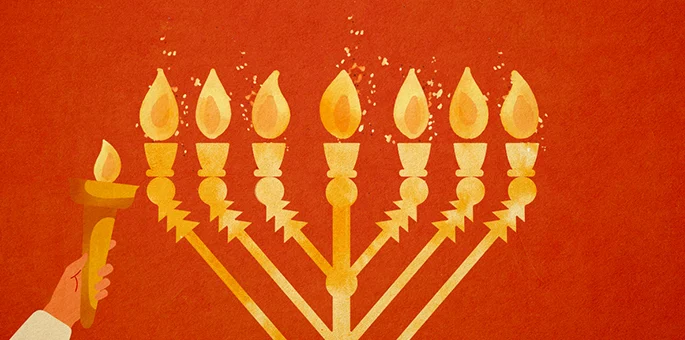
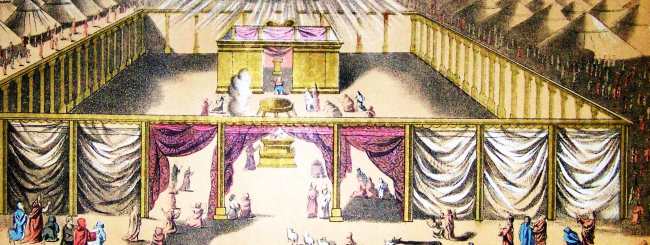
When Hashem commands Aaron in the lighting of the Menorah, He uses the expression “when you raise the candles.” The explanation is that Aaron had to hold the flame to the wick until the flame was able to remain on its own.
He specifically uses the word “raise” to teach us a lesson. Kindling the Menorah is symbolic of inspiring other Jews through teaching them Torah or being an example.
When inspiring others, we must do so in a way of raising them up, meaning that we should teach them until they are able to stand on their own. This way, the inspiration will last forever.
Nothing Holy Is Lost
The Sanctuary and all the Vessels created by Moshe from the donations of the Jewish people in the desert will exist forever. They were not destroyed and will be included in the building of the Third Beit Hamikdash when Moshiach comes.
A Blessing That Never Ran Dry
A well-to-do businessman once arrived in Vienna and dispatched his servant to purchase some mead (“honey wine”) from a local, Jewish-owned tavern. He returned with a bottle, which the merchant enjoyed so much that he sent his servant out again the next day to get ten bottles of the same vintage. The servant returned empty-handed this time, saying that the owner refused to sell him any. The businessman sent him back with even more money, but the servant returned without a single bottle for his efforts. The merchant decided to visit the tavern himself to see why there was no more mead for sale.
When he arrived, he saw a large crowd of diners reciting the Grace After Meals. When they concluded, the tavern-keeper told the merchant that his mead supply was exhausted. The merchant asked when some more would be available, to which the owner answered that it would never be available again. Seeing the visitor’s amazement, he explained:
When we were young, my wife was a midwife, and I was a mohel (ritual circumciser). I would officiate at every circumcision that came my way, even if it was a long distance from home.
Once, on the day before Yom Kippur, a simple villager came to tell me that his wife had given birth to a boy eight days earlier, and he needed me to perform the circumcision that day. Upon learning that he lived quite a distance away, I requested that he hire a coach for the trip. He refused, claiming he had no money. I was committed, and we started off on foot together. The villager quickly outpaced me, and by the time I arrived at his home, he had already gone to work, and only the mother and the baby were home.
Now, to perform the circumcision, I needed someone to act as sandek—the one who holds the baby during the procedure. So I stood outside the humble home, hoping to find someone to fill the role.
Finally, I spotted a man hurrying past. I ran up to him and asked that he serve as sandek. He refused, saying that he was busy running from one synagogue to the next, collecting alms. Having no choice, I asked him how much he expected to net that day and made a deal with him: If he would be the sandek, he could follow me home and I would give him that amount!
The beggar agreed.
After the circumcision, we both hurried to my home with barely enough time to eat and prepare for Yom Kippur.
My family was very relieved to see me back, and I gave my last few coins to the man, expecting him to be on his way.
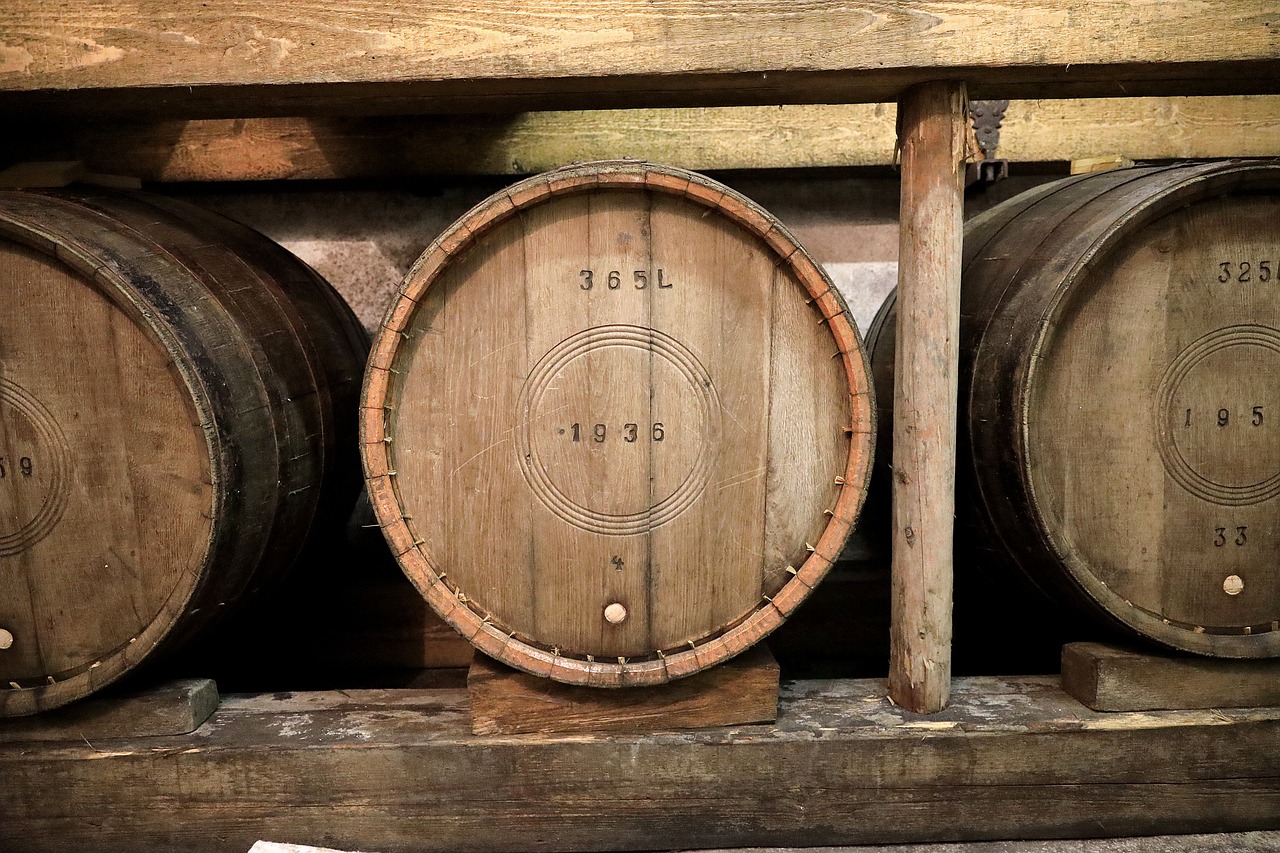
But he was in no hurry, insisting that I first pour him a drink. Eager to move on with the day, I indulged him and opened a fresh keg of mead. After taking a deep draft, he wished me lechaim (“to life”) and blessed me that the barrel would not run out until the final feast celebrating my youngest son’s wedding.
And so it was. Over the years, I have prospered from selling this never-ending supply of high-quality mead.
But just now, thank G‑d, we concluded the last of the seven days of celebration for my youngest son’s marriage, and the mead just ran dry!