
Power Meets Persistence
The name of the Parsha is Va’eira.
Moshe and Aaron repeatedly come before Pharaoh to demand in the name of G‑d, “Let My people go.” Pharaoh repeatedly refuses. Aaron’s staff turns into a snake and swallows the magic sticks of the Egyptian sorcerers. Hashem then sends a series of plagues upon the Egyptians.
The waters of the Nile turn to blood; swarms of frogs overrun the land; lice infest all men and beasts. Hordes of wild animals invade the cities; a pestilence kills the domestic animals; painful boils afflict the Egyptians. For the seventh plague, fire and ice combine to descend from the skies as a devastating hail. Still, the heart of Pharaoh was hardened and he would not let the Jews go.

A Month for Good News
On Sunday and Monday, we celebrate the new month of Shvat.
We don’t know who first gave the month this special acrostic, but the word Shevat can stand for the Hebrew expression: Shenishma Besurot Tovot, that we should be blessed to share good tidings.
Why Evil Is Accountable
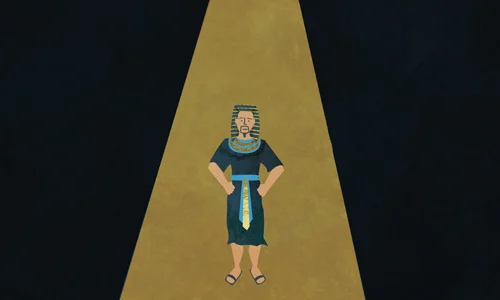
We know that everything Hashem does, even the hardest moments, are done for a reason. What is perceived by us as “bad” is really His great work for our benefit. This means that the Jews’ suffering in Egypt was meant to be. So why then were the Egyptians punished? Technically weren’t they just doing His will?
The answer lies in this week's Parsha. Pharaoh kept ignoring his warnings from Hashem to stop. He added his own torture to the Jews as well. He took pleasure in their suffering. This is the reason the Egyptians were punished so harshly.
Planting Today, Revealing Tomorrow
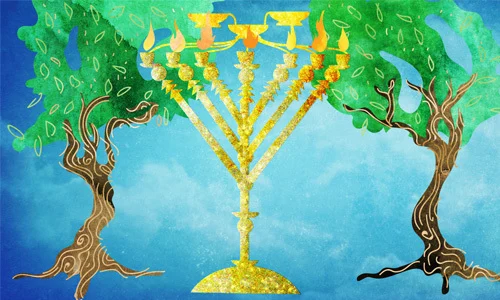
This week's Haftarah compares the Jewish people to seeds being planted: exile is the time of planting and redemption is the time when growth and fruit are revealed. A Jew grows through performing Hashem's mitzvos, which only become possible after Galus. By using the time of Galus to do Mitzvos properly, we will merit to see their fruits in the time of Moshiach.

The Treasure Was at Home
There was once an impoverished man by the name of Reb Isaac of Krakow. He lived in poverty for many years, not knowing where his next crust of bread would come from. Still, Reb Isaac had implicit faith in God.
One night, he dreamed that there was highly valuable buried treasure under a specific bridge in Prague. At first, he paid no attention to the dream, assuming it was mere wishful thinking. After all, who doesn’t dream of riches? But when the dream repeated itself night after night after night, he began to reconsider
So, he set off to Prague only to discover that the bridge was right near the royal palace and thus heavily guarded at all hours. Soldiers marched up and down, alert and ready, looking for any signs of danger or unusual activity. Digging under the bridge was clearly out of the question.
But Reb Isaac was not going to give up that easily. He returned to the bridge day after day until the guards began to recognize him. Soon they became curious.
Reb Isaac knew they wouldn’t believe some half-hearted excuse, so he told them about his dream. The guard listened, threw back his head, and laughed heartily. “You can do it all this way because of a silly dream? You fool! I had a dream that a certain Jew, Reb Isaac Ben Yakil, has buried treasure under his stove, but do you see me going on a wild good chase? Of course not!” and he laughed uproariously.
Meanwhile, Reb Isaac hurried off to buy a ticket for the first train back to Krakow. Now he knew where to look. Sure enough, when he arrived he immediately shoved the iron stove out of the way and began digging at the hard dirt floor. And, to his great joy and astonishment, after some effort he uncovered a chest of gold coins!
He used the money to build a magnificent synagogue which bore his name, and with the rest of the money he built himself a comfortable home and furnished it well.
When Reb Bunim told this tale to followers who had travelled from far and wide to visit him, what was the message? The followers understood. You don’t always find what you’re looking for by travelling to a distant chassidic court. True spiritual treasure can be acquired right near home, with intense effort and devout prayer.