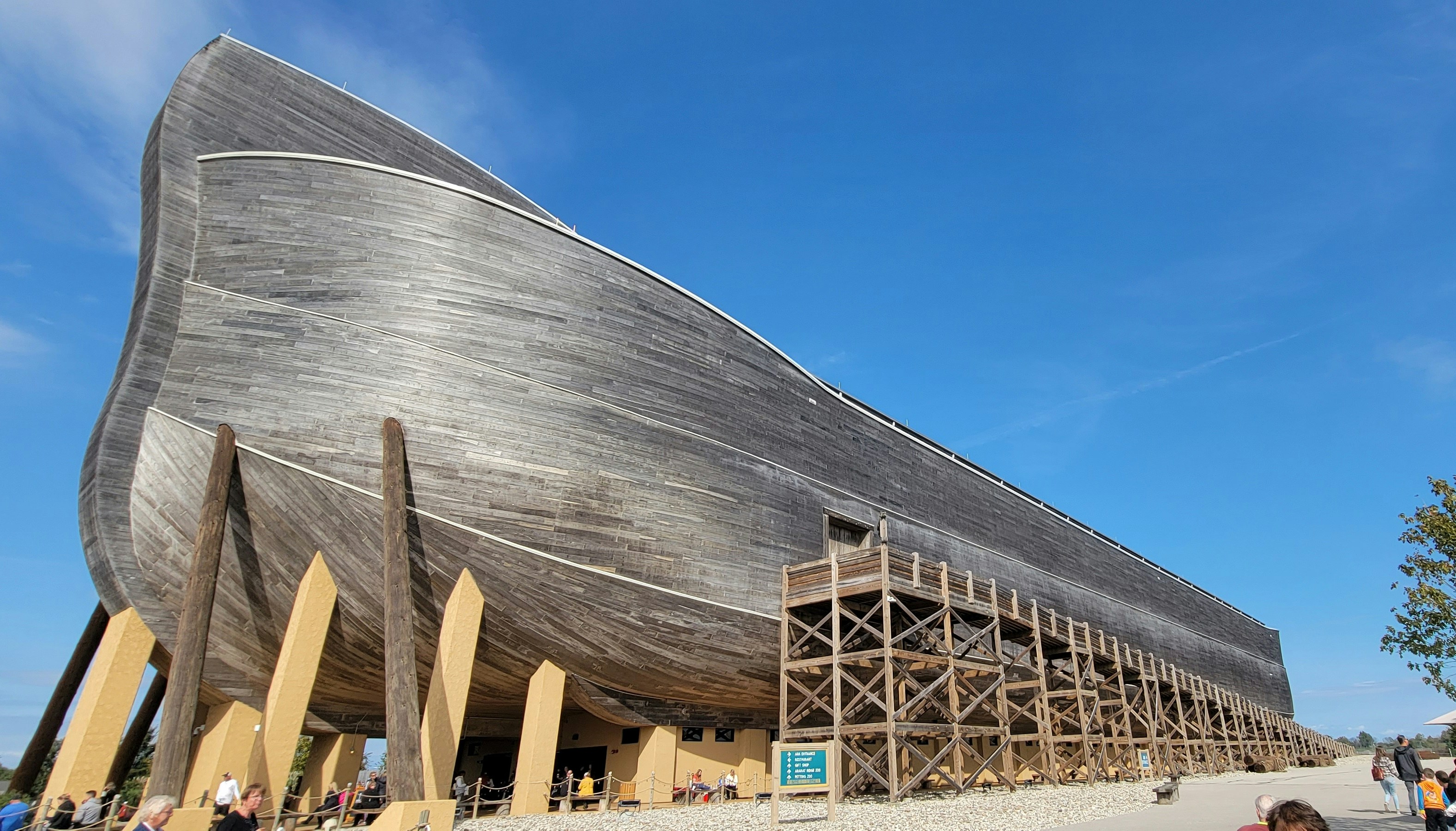
Shelter Through the Storm
This week, the name of the Parsha is Noach.
Hashem instructs Noah—the only righteous man in a world consumed by violence and corruption—to build a large wooden ark. A great deluge will wipe out all life from the face of the earth; but the ark will float upon the water, sheltering Noah and his family, and two members of each animal species.
Rain falls for 40 days and nights, and the waters churn for 150 days more before calming and beginning to recede. The ark settles on Mount Ararat, and Noah sends a raven, and then a series of doves to see if the water is dried. After one whole year, Noah emerges from the Teivah.
G‑d swears never again to destroy the world and sets the rainbow as a testimony. He also commands Noah regarding the sacredness of life. Noah plants a vineyard and becomes drunk on its produce.
Mankind repopulates the world from Noah. Then they defy their Creator by building a great tower to symbolize their own invincibility; G‑d confuses their language, causing them to abandon their project and split into seventy nations.
The Parshah of Noach concludes with a chronology of the ten generations from Noah to Abram.
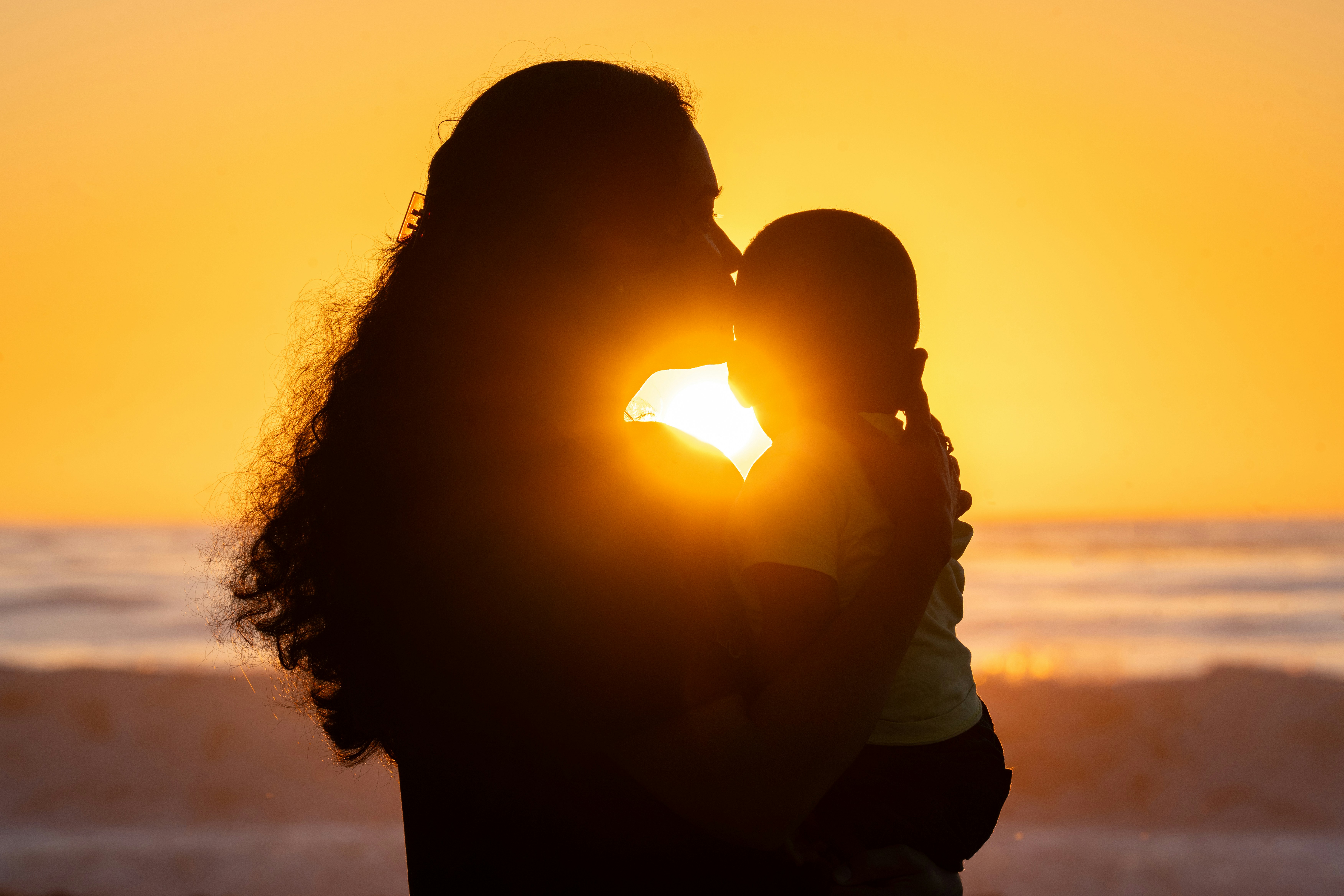
Forever Our Mother
The eleventh of Cheshvan is Rachel Imeinu’s yahrzeit (day of passing).
Rachel is known as the mother of the Jewish people. She gained this name after showing her loyalty to her children time and again.
When it came time to bury her, her husband Yaakov Avinu did not bury her in Chevron together with the forefathers and mothers. Instead, he buried her on the side of the road in what is now Bethlehem.
He did this because he knew that one day, the Jewish people would be exiled and they would pray to her to save them on their way out of Israel. And that is exactly what happened.
From then on, Rachel remained the mother figure of the Jewish Nation. She is who we turn to and we know that when she prays on our behalf, she is listened to.

Your Prayer Matters
When looking at this week’s Parsha, we encounter an obvious question. Why didn’t Noach pray on behalf of his generation?
The Rabbis explain that Noach saw himself in an extremely humble lens. He didn’t see himself as worthy of prayer to G-d and didn’t think he was more righteous than the others.
From this, we learn a very important lesson: none of us are too small to make requests of Hashem and to beg Him to change any decrees. We each have infinite power and Hashem listens to us and takes our prayers into account.

An Ocean of Knowledge
In the last law in his magnum opus Mishneh Torah, Maimonides concludes: “The occupation of the entire world will be solely to know G‑d”. Therefore, the Jews will be great sages and know the hidden matters, grasping the knowledge of their Creator according to the full extent of human potential, as Isaiah states: “The world will be filled with the knowledge of G‑d as the waters cover the ocean bed.”

The Rainmaker
Now that the rainy season has begun in Eretz Yisroel, it is fitting to share the story of Abba Chilkiah, the famous “Rainmaker.”
Of course, only Hashem makes rain. Abba Chilkiah was a humble and righteous man whose prayers were answered. He was a grandson of Choni HaM’agel, who was also famous for praying for rain.
Abba Chilkiah worked as a simple farmhand, earning only what his family needed so he could spend the rest of his time learning Torah.
Once, during a terrible drought, two sages came to ask him to pray for rain. They found him working in the fields and followed him home, noticing several unusual things about his behavior. He did not greet them while working, carried his borrowed coat carefully, walked barefoot on dry land but wore shoes in the water, and lifted his clothes to protect them from thorns.
When he arrived home, he did not invite the sages to eat because there was not enough food. He also gave his younger son two cakes but his older son only one, explaining that the younger boy needed extra food for school.
Afterward, Abba Chilkiah and his wife went to the roof to pray for rain. Soon, clouds gathered, and rain began to fall. Surprisingly, the clouds first appeared from the corner where his wife had stood!
The sages asked why her prayer had been answered first. Abba Chilkiah explained that his wife helped the poor who came to their door by giving them food immediately, while he could only give them money, which they still needed to use to buy food.
He added that perhaps his wife’s prayer was also answered first because she prayed that the robbers in their neighborhood should change their ways, while he had prayed simply for them to disappear.