Freedom Begins Here
The name of the Parshah is Bo.
The last three of the Ten Plagues fall upon Egypt: locusts, heavy darkness and the death of firstborn sons.
Hashem commands the Jews their first Mitzvah; to establish a calendar. They are also instructed to slaughter a lamb or kid goat, and its blood must be sprinkled on the doorposts and lintel of their homes. This would distinguish their homes from the Egyptians during the death of the firstborns. The meat was eaten that night with Matzah.
The death of the firstborn finally breaks Pharaoh’s resistance, and he drives the Jews from his land. So hastily do they depart that there is no time for their dough to rise, and the only provisions they take along are unleavened. Before they go, they ask their Egyptian neighbors for gold, silver and garments.
The Jews to observe the anniversary of the Exodus each year by removing all leaven from their possession for seven days, eating matzah, and telling the story of their redemption to their children. They are also commanded to wear tefillin as a reminder of the Exodus.
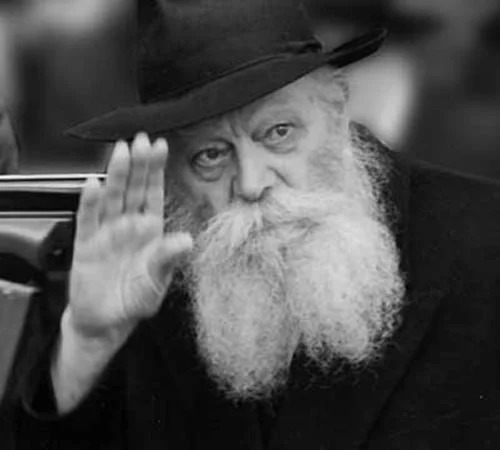
A Leader for a New Era
On Shevat 10 on the Jewish calendar, upon the passing of the sixth Lubavitcher Rebbe, Rabbi Yosef Yitzchak Schneersohn, of righteous memory, in 1950, leadership of the Chabad-Lubavitch movement passed on to his illustrious son-in-law, Rabbi Menachem Mendel Schneerson, of righteous memory. In the decades that followed, the Rebbe revolutionized, inspired and guided the post-Holocaust transformation of the Jewish people that continues to this day.
This day, so relevant to every Jew in our generation, is surely a day for reflection, learning, prayer, positive resolutions and acts of loving-kindness.

Consequences of Choice
In this week’s Torah reading, we read of the devastation of the Egyptian nation through the final three of the Ten Plagues. In the haftorah we read of the punishment G‑d visited upon Egypt centuries later, through the hand of Nebuchadnezzar king of Babylon.
G‑d reveals Egypt’s fate to Jeremiah: “Proclaim it in Egypt and let it be heard in Migdol, and let it be heard in Noph and in Tahpanhes. Say, ‘Stand fast and prepare yourself, for the sword has devoured round about you.’” The prophet then goes on to describe Egypt’s helplessness and the destruction that it will incur at the hands of the Babylonians.
The haftorah ends with G‑d’s assurance to the Jewish people not to fear, for though they too will be punished and exiled, ultimately, they will be redeemed.
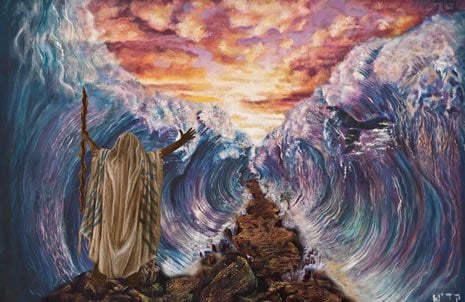
The Joy of Knowing G-d
When the Jews left Egypt, even the Egyptians recognized Hashem but only through painful plagues. When Moshiach comes, the entire word will recognize Hashem, but in a joyful and pleasant way.

The Power of a Blessing
Rabbi Elimelech, the Rabbi of Lizhensk, was widely recognized as a righteous, holy Jew and an accomplished scholar.
Once a young Torah scholar visited Rabbi Elimelech.
“Rabbi Elimelech,” began the visitor, “we are both scholars, well-versed in Jewish law. Yet you have far surpassed me in your level of saintliness. What do you possess that I lack?”
Rabbi Elimelech pointed to the bowl of fruit displayed before them on the table. “When you want to eat an apple, do you make a blessing to G‑d?”
“I certainly do!” the visiting rabbi answered.
“Ah – that’s the difference! You see, when you want to eat an apple, you make a blessing. When I want to make a blessing, I eat an apple.