Revealed at Last
The name of the Parshah is Vayigash.
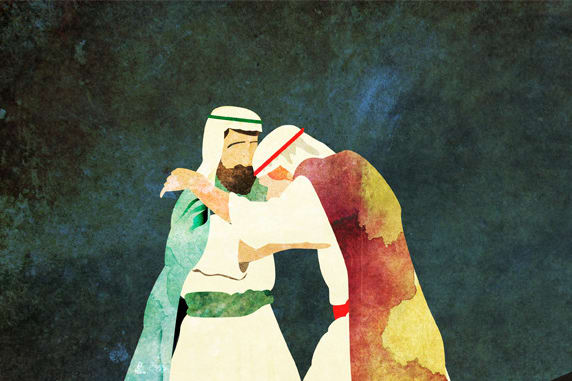
Yehuda approaches Yosef to plead for the release of Binyamin, offering himself as a slave to the Egyptian ruler. Upon witnessing his brothers’ loyalty to one another, Yosef finally reveals his identity to them.“I am Yosef,” he declares. “Is my father still alive?”
The brothers are overcome by shame and remorse, but Yosef comforts them. “It was not you who sent me here,” he says to them, “but G‑d. It has all been ordained from Above to save us, and the entire region, from famine.”
The brothers rush back to Canaan with the news. Yakov comes to Egypt with his sons and their families—seventy souls in all—and is reunited with his beloved son after 22 years.
Yosef gathers the wealth of Egypt by selling food and seed during the famine. Pharaoh gives Yakov’s family the fertile county of Goshen to settle, and the Jewish people prosper in their Egyptian exile.
When Warning Turns to Wake-Up
The 10th of Tevet (known as Asarah B'Tevet) is observed as a day of fasting and repentance. What does it commemorate?
For years, G‑d had sent His prophets to warn the Jewish people about the impending destruction of Jerusalem if they didn’t mend their ways. But they did not listen.
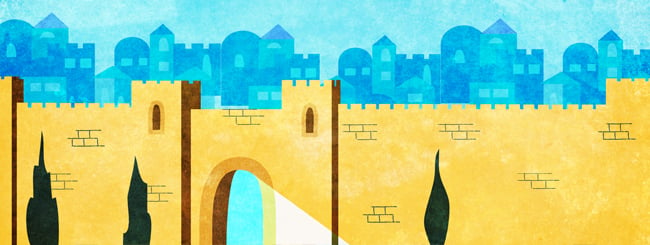
Then it finally happened. On the 10th day of the Jewish month of Tevet, in the year 3336 from Creation, the armies of the Babylonian emperor Nebuchadnezzar laid siege to Jerusalem.
Ever patient, G‑d delayed the destruction to give the Jews yet another chance to repent, but sadly, 30 months later the Beit Hamikdash was destroyed.
This date is viewed as the beginning of the chain of events that culminated with the destruction of the Temple and the subsequent exiles, something that we have never fully recovered from, because even when the Second Temple was finally built, it never returned to its full glory.
The Cure Comes First
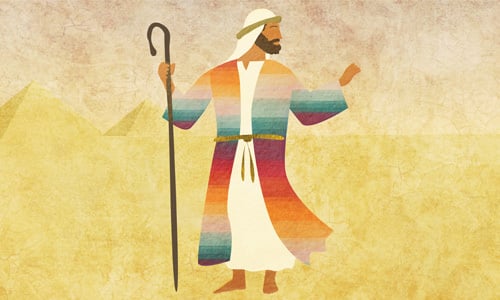
This weeks Parsha teaches us a tremendous idea: that Hashem creates the cure before the sickness. When Yosef was sold to the Egyptians, it seemed like something horrible. Yet, years later when the Jews were enslaved in the land, it was clear that it was really for the good.
How?
Because the Jews were destined to be in Egypt for a certain amount of years. With Yosef being the leader, the first years were not only pleasant, but Yakov even called them “the best years of his life.”
By sending Yosef down earlier, Hashem was preparing the Jews for what was to come and softening the blow of exile.
So too in our every day lives, whenever we come across a hardship, we must know that the same God who gave us the challenge has given us the tools and strength to overcome it.
Awakening from Exile
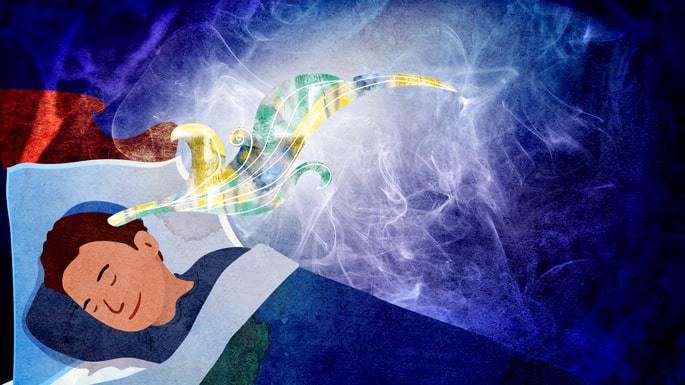
The exile is like a dream. Just as light awakens a person from sleep, adding the light of Torah and Mitzvot to our personal world and the world at large awakens us from the dream of exile and brings us to Redemption.
.png)
Turning Pain into Light
The following is not exactly a story. It is the speech of Rabbi Aaron Moss at the funeral of his dear friend Rabbi Eli Shlanger who was murdered on Chanukah in Bondi Beach, Sydney.
Yet, it is a story. It is part of the story of the Jewish people. Our enemies rise up to destroy time and again, but ultimately they will never succeed and we will emerge victorious.
“We are devastated. We have lost friends and loved ones. Our children are scared. Our peaceful city feels violated. We are hurt and shaken, stretched and exhausted, trying to help but not sure where to go from here.
And all this on Chanukah. The festival of joy and light. The festival of the weak defeating the mighty. Well, right now we feel weak, battling a mighty heaviness looming over us. There must be a message of wisdom—a glimpse of hope—that Chanukah can offer us in our broken sorrow.
Here is a thought. After lighting Chanukah candles, there is always a mess left behind. Melted wax. Burnt wicks. Leftover oil. A pile of what once produced light. What do we do with the remnants? How do we clean up after Chanukah?
Jewish law mentions two customs. One option is simple. You gather everything up, wrap it carefully, and dispose of it with dignity. The light has done its job. The remnants are put aside.
But there is another custom. A more powerful one. You collect all the remaining oil, wax, and wicks, and you light them together. You make one large flame and let it all burn at once. What was once scattered light becomes a single, intense fire. The remnants are not discarded. They are elevated.
This year, Chanukah has left us with more than melted wax. Lives lost. Families shattered. Innocence taken. A pain that cannot be neatly explained away.
And so, we face the same two choices. We can try to wrap up the pain, put it to the side, and return to normal as quickly as possible. This is an acceptable response. But it is not the only response.
We can do what our tradition teaches us. We can gather the pain, face it honestly, and let it fuel a greater light. That means more Jewish pride, not less. More love, not fear. More unity, not retreat. More light, not silence.
We owe it to the souls we lost that their deaths not be the end of the story. This must be a turning point, a new beginning. For each of us, and for all of us. Evil tried to extinguish our light. We can’t let it win. Do a mitzvah. Heal a broken relationship. Help someone who needs you.
Take in the pain. Channel it into a light of goodness. The light of the souls we lost, merged with the light kindled in our own souls, can change our city, our country, and the world”.